Finding Hidden Customer Opportunities in a Crowded Market
The challenge of standing out when everyone is selling the same thing
When you are in a market that feels saturated, it is easy to assume that every potential customer has already been claimed by a competitor. The reality is more nuanced. Even in the busiest markets, there are always pockets of demand that go unnoticed. These overlooked opportunities often sit right in front of businesses, but they are easy to miss when you are looking in the same places as everyone else.
Finding them requires a shift in approach. Instead of trying to outspend or outshout competitors, you can look more carefully at the signals that already exist in your market. The key is to use market intelligence software to turn raw data into a map of where your competitors are not looking. This kind of tool helps you see patterns in search trends, customer segments, and local market demand that would otherwise stay hidden.
Step 1: Look at the gaps in your competitive landscape
Every crowded market has weak spots. There are always customer needs that are not being fully met, or segments that are being ignored because they are too small for large competitors to bother with. The first step is to identify those gaps. Start by examining your own data. Look at the questions your current customers ask before they buy. Look at the complaints they have about other options they tried. Those pain points are clues.
Market intelligence software can help you formalise this process. Instead of relying on hunches, you can use it to scan the competitive landscape and see where demand is growing but supply is thin. For example, you might discover that a certain local market has a high volume of searches for a specific problem, but very few businesses are showing up in the results. That is an opportunity gap.
Web Rank Digital is also on Instagram.
What to watch for: pay attention to terms that are searched frequently but have low competition in paid or organic results. Also look for questions that keep coming up in reviews of competitors. If customers of other businesses consistently mention a missing feature or a poor experience, that is a signal you can act on.
Step 2: Map your customer segments more finely
Most businesses think of their audience in broad categories. But the real opportunities are often in the sub-segments that others overlook. For instance, a roofing company might focus on homeowners with leaky roofs, but there could be a smaller, overlooked segment of property managers who need regular maintenance contracts. Similarly, an e-commerce brand might focus on general shoppers, but there could be a niche audience looking for a specific material or size that competitors do not stock.
To find these segments, you need to break down your audience insights by behaviour, location, and intent. Look at what people search for when they are in the early research phase, not just when they are ready to buy. That early-stage demand is often less competitive because it is harder to capture with standard advertising.
What to watch for: look for search terms that combine a problem with a location or a specific use case. For example, "emergency plumbing near me on a Sunday" reveals a segment that needs immediate service and may be willing to pay a premium. Also watch for rising terms in your area that are not yet saturated by advertisers.
Step 3: Use search trends to spot shifts before competitors do
Market demand does not stay still. New technologies, seasonal changes, and cultural shifts all create temporary windows of opportunity. The businesses that catch these shifts early can capture customers before the market gets crowded again.
Market intelligence software often includes trend analysis that shows you how search volume for certain terms changes over time. You can see when a topic is starting to gain traction, even if it is still small. This is especially useful for local markets, where a sudden interest in something like "sustainable HVAC options" or "pet-friendly dispensaries" might be happening in your city but not yet in others.
What to watch for: set up alerts for terms that are growing quickly in your area. Pay attention to what is being discussed in local forums, social media groups, or review sites. If a new regulation or a local event creates a temporary spike in demand, you want to be the first to address it.
Step 4: Analyse competitor weaknesses, not just their strengths
Most competitive analysis focuses on what competitors do well. But the real opportunity often lies in what they do poorly. Look at the negative reviews, the complaints, and the areas where they consistently fail. If a competitor has a reputation for slow service, poor communication, or limited product range, those are gaps you can fill.
You can use market intelligence software to monitor competitor reviews and social media mentions at scale. Instead of manually scrolling through pages of feedback, the software can flag recurring themes. If you see a pattern of complaints about a specific issue, you know there is a segment of customers who are unhappy and looking for an alternative.
What to watch for: pay attention to the language customers use when they describe their frustration. They might say "I wish someone offered X" or "if only they had Y." Those are direct quotes you can use to shape your own offering. Also watch for competitors who are expanding into new areas but struggling to maintain quality. That often creates a vacuum in their original market.
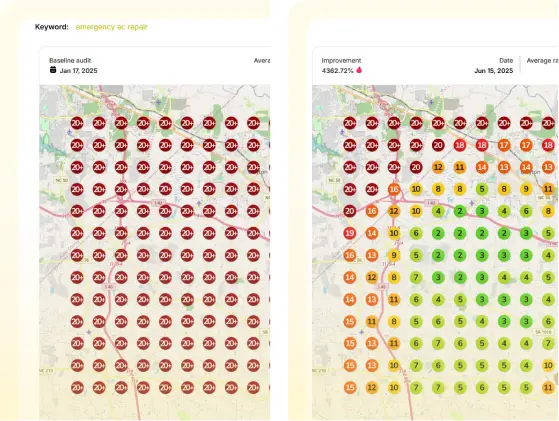
Step 5: Automate your outreach to these overlooked segments
Once you have identified the gaps, the next step is to act on them quickly. The best insight in the world is useless if you do not reach the right people. This is where automated customer funnels come in. By setting up targeted sequences for each segment you have identified, you can nurture those leads without spending all your time on manual outreach.
For example, if you discover a segment of homeowners who are searching for emergency plumbing services on weekends, you can create a simple funnel that captures those leads with a landing page built for that need. The automation can handle the follow-up, sending a series of messages that address their specific pain points.
Web Rank Digital offers a platform that includes these capabilities, combining market intelligence with automated funnels to help businesses capture, convert, and scale their customer base. Their system is designed to work across multiple industries, so the approach can be adapted whether you are in HVAC, plumbing, roofing, e-commerce, healthcare, or any other sector. The idea is to use the data you have gathered to drive real action, not just insights that sit in a spreadsheet.
What to watch for: make sure your automation respects the customer's context. If they are looking for emergency help, they do not want a five-day drip campaign. Tailor the timing and tone of your messages to match the urgency of the need.
Step 6: Keep iterating as the market shifts
Opportunities do not stay open forever. As soon as you start capturing a neglected segment, competitors will notice and try to follow. That is why this process needs to be continuous. Regularly re-scan your market intelligence for new gaps, updated search trends, and changes in the competitive landscape.
Market intelligence software makes it practical to do this on an ongoing basis. Instead of doing a big research project once a year, you can set up dashboards that alert you to new opportunities as they emerge. This keeps you ahead of the curve, even in a crowded market.
What to watch for: pay attention to any sudden drop in competition for a term you care about. That could mean a competitor has stopped advertising or changed their focus. It is a temporary window you can step into. Also watch for new entrants to the market. A new competitor often shakes up the dynamics and creates fresh gaps.
Putting it all together
Finding overlooked customer opportunities is not about magic or luck. It is about systematically examining the data that is already available and acting on it before others do. By using market intelligence software to map demand, segment audiences, monitor trends, and analyse competitors, you can uncover niches that others have missed.
Web Rank Digital offers tools that support this entire workflow, from identifying gaps to automating the outreach that captures them. Their platform is built for businesses that want to move from reactive selling to proactive opportunity hunting. If you are looking for a practical way to start finding hidden demand in your market, their team can show you how the system works.
Web Rank Digital is located at 401 s Graham st Charlotte NC 28202. You can reach them by phone at +1 877-726-5871 to learn more about their customer acquisition platform.